Opportunity assessment
Review unmet need, scientific rationale, existing evidence, patient impact, and feasibility.
Research & development
Our programmes evaluate how established and emerging therapies can be delivered more effectively, supported by relevant clinical evidence and responsible collaboration.
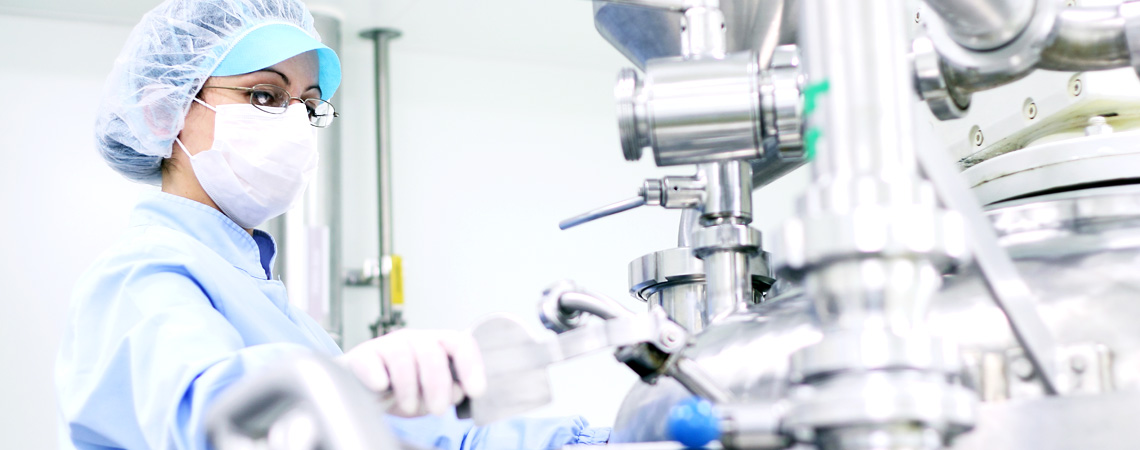
Neurology, alternative administration, treatment experience, and evidence generation.
Our development lens
We assess formulation, delivery, tolerability, treatment burden, monitoring, and patient-reported outcomes alongside traditional clinical measures.
Development pathway
Review unmet need, scientific rationale, existing evidence, patient impact, and feasibility.
Explore formulation, route of administration, device considerations, stability, and manufacturing pathways.
Define questions that matter to patients, clinicians, and healthcare decision-makers.
Coordinate medical information, quality documentation, supply readiness, and local-market requirements.
Review safety, use patterns, new evidence, product quality, and opportunities for improvement.
Featured research
Bastian's legacy research interests include approaches to help appropriate patients receive apomorphine therapy through less intrusive and more usable delivery options.
Evidence that helps care teams identify people most likely to benefit from treatment.
Continuous and intermittent delivery concepts designed around ease of use and tolerability.
Measurement approaches that reflect mobility, daily life, treatment burden, and quality of life.
Clinical trial reference
The TOLEDO programme evaluated apomorphine subcutaneous infusion in patients with advanced Parkinson's disease. External trial records and the archived study protocol remain available for scientific reference.
Appropriately qualified researchers may submit scientifically valid proposals for access to eligible de-identified study information, subject to independent review, participant privacy, legal requirements, and applicable study-specific conditions.
Availability and scope vary by study. Contact the medical team for current eligibility, documentation, and review requirements.
Research collaboration
We welcome well-defined opportunities across formulation, clinical research, medical devices, evidence generation, and regional development.